
School and Hospital Alliance for Response in Emergencies (SHARE-NTX)
What is SHARE-NTX?
The School and Hospital Alliance for Response in Emergencies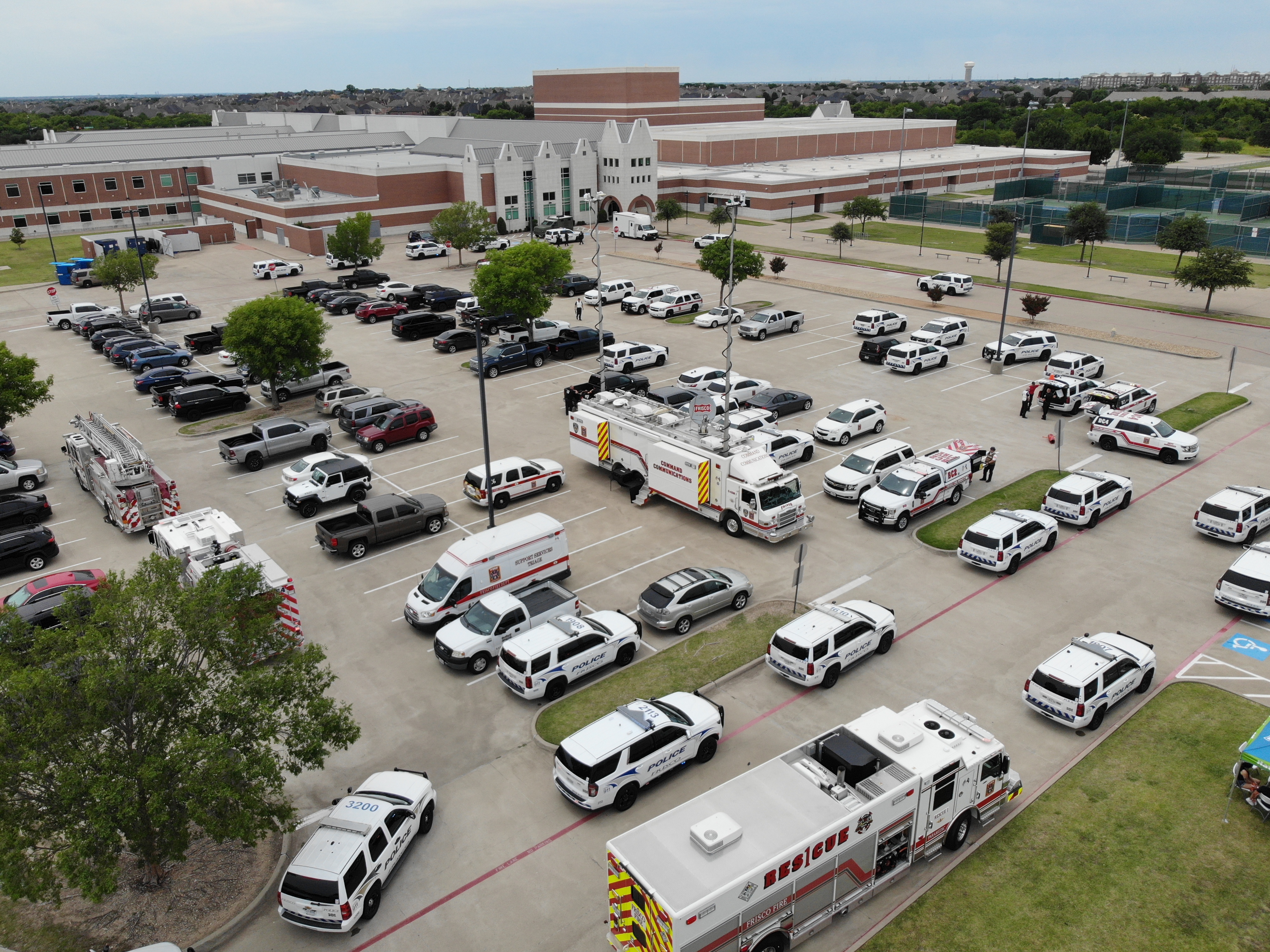 (SHARE-NTX) working group was established to strengthen coordination between the educational institutions, regional hospitals and other stakeholders in the event of a Mass Casualty Incident (MCI) affecting the community.
The vision of SHARE-NTX is to ensure a structured, coordinated response that prioritizes patient identification, communication, and logistical support for students, staff, and families in the event of an MCI impacting educational institutions. Through this collaborative effort, this working group aims to enhance readiness, response efficiency, and interagency communication during critical incidents.
SHARE-NTX is a multi-agency partnership between the North Central Texas Council of Governments (NCTCOG), North Central Texas Trauma Regional Advisory Council, educational institutions, public safety, healthcare, and community partners within TSA-E and Education Service Centers for Regions 10 and 11. SHARE-NTX was formed to strengthen cross-sector coordination and preparedness across the region, particularly for complex incidents impacting children, families, and critical services. Through a gap analysis process, a persistent planning gap in North Texas became evident: while schools and hospitals routinely prepare for emergencies within their own operational silos, they are inherently interconnected during mass casualty incidents involving students, staff, and families. SHARE-NTX was established to deliberately bridge that gap, formalizing school–hospital relationships and operational alignment before a crisis occurs rather than attempting coordination for the first time amid an unfolding emergency.
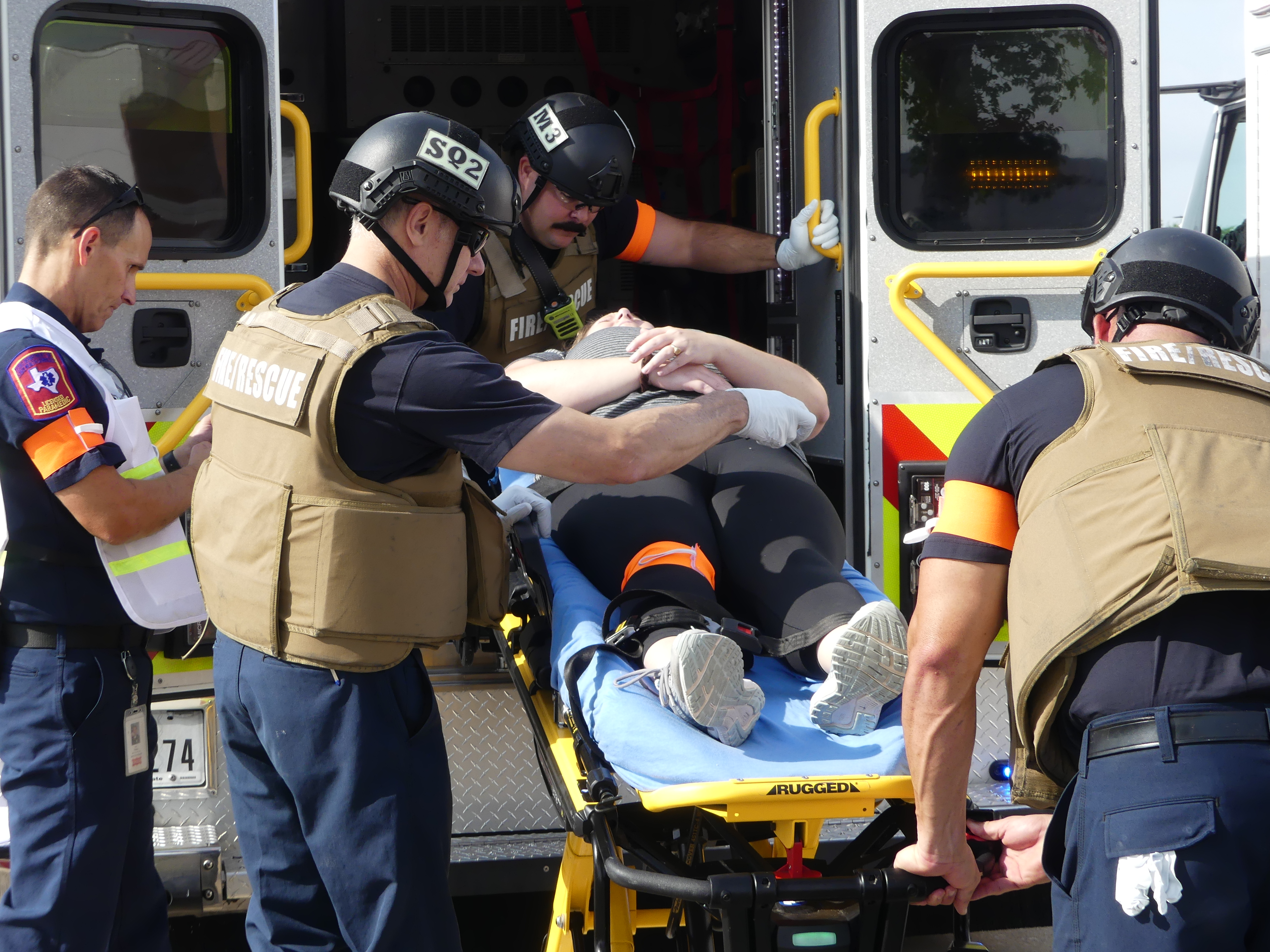 The purpose of SHARE-NTX is to bring schools and hospitals together to plan, train, and respond cohesively to mass casualty incidents, with a particular emphasis on pediatric surge and family reunification. By aligning protocols, communication pathways, and decision-making frameworks, SHARE-NTX enhances situational awareness and reduces delays that can exacerbate harm during high-impact events. Central to its mission is the relationship known as in loco parentis, a Latin legal phrase translating to "in the place of a parent." It refers to the legal responsibility of an organization to assume some of the functions, rights, and duties of a parent for a minor. This is accomplished through effective parent reunification operations - ensuring that students and parents/guardians are safely and efficiently reunited. Through pre-incident collaboration, shared training, and realistic exercises, SHARE-NTX strengthens collective resilience and ensures communities are better prepared to protect children and families when it matters most.
SHARE-NTX Objectives
- Facilitate seamless coordination between education institutions, regional hospitals and other relevant stakeholders during a mass casualty incident.
- Support survivor identification using education institution records and databases.
- Serve as a communication bridge between hospitals, families, and education institution leadership.
- Integration with hospitals to assist with Friends & Relatives Center (FRC)/Family Assistance Center (FAC)/K-12 School Reunification operations.
SHARE-NTX Preparedness
- Regular coordination meetings with hospital representatives and educational institutions to align response expectations.
- Joint training exercises for educational institutions, hospital staff and external stakeholders focusing on disaster triage, patient tracking, and intake protocols.
- Participation in mass casualty drills at both educational institution and hospital levels to enhance readiness.
SHARE-NTX MCI Response Overview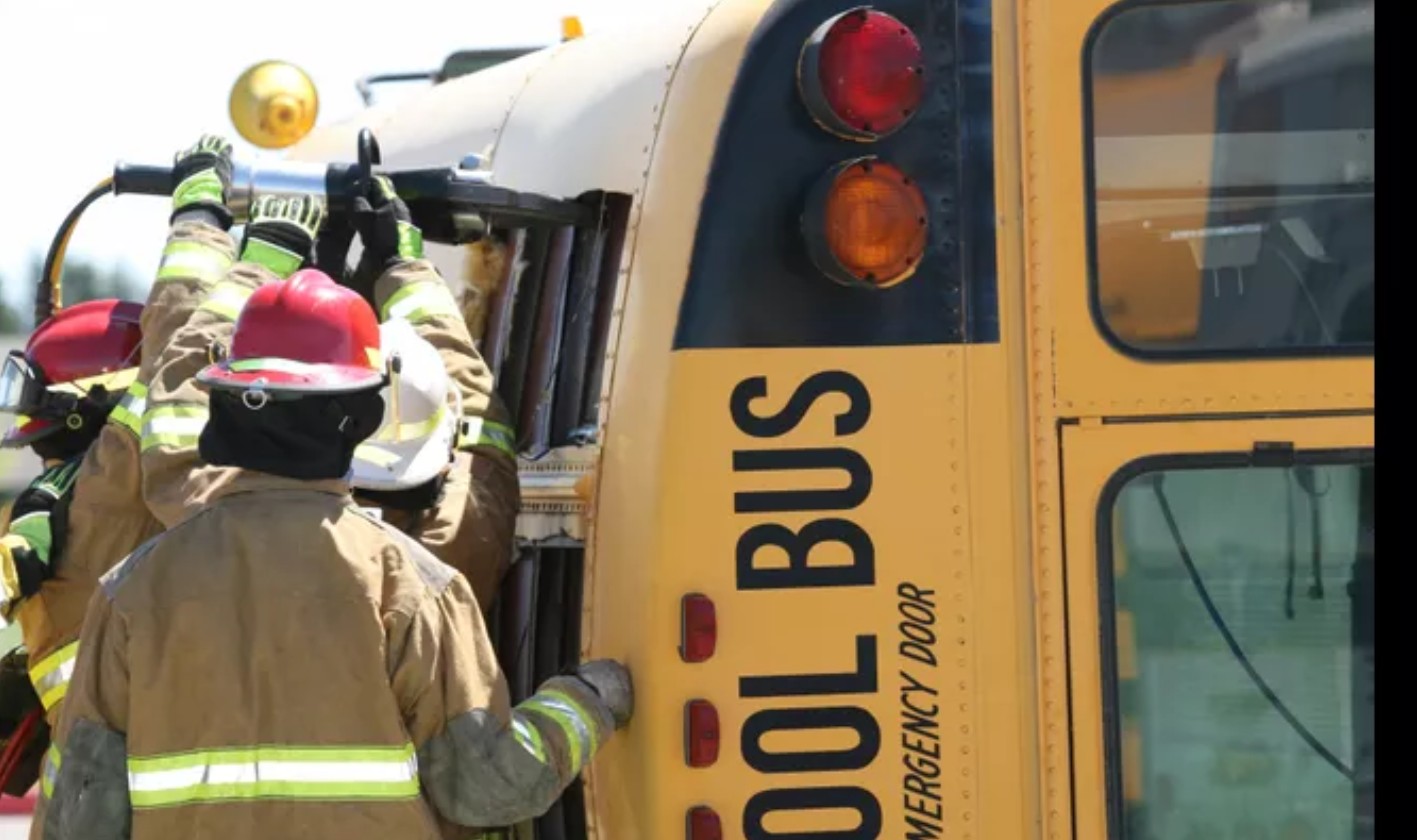
- Immediate notification of the educational entity representatives upon initiation of an MCI activation.
- Rapid communication of events from educational entity representatives to hospital representatives of the event scope for response preparation purposes.
- Pre-designated hospital assignments for educational entity representatives, ensuring an organized response.
- On-site victim identification & communication, using student information systems (SIS) to assist hospital staff and reunite families.
- Collaboration with hospital staff to provide timely updates to families.
- Utilization of educational entity representatives for cohesive communication between educational institutions and hospital representatives to ensure accurate information for the community.
For more information contact Justin Cox
Next Meeting
December 15, 2026 - 10:00 AMMeeting Information
NCTCOG - William Pitstick Conference Room