
Paid Parking
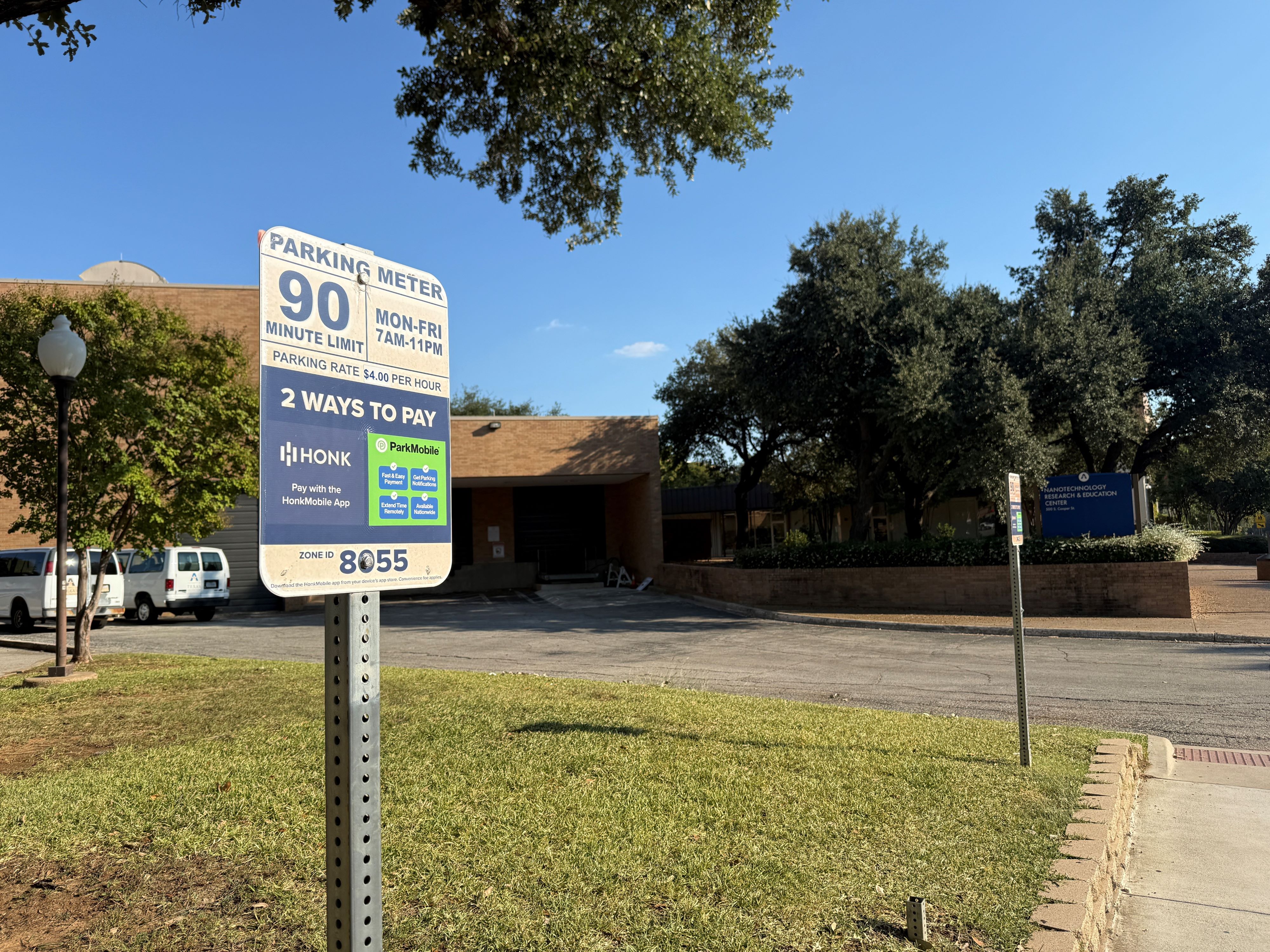
Effective pricing is one of the best ways to manage demand and improve parking availability without building more spaces. Prices must balance turnover and accessibility, making performance-based pricing, that adjust rates to maintain one or two open spaces per block, an effective approach. Growing use of smart payment technology supports this by integrating digital payments with enforcement and, eventually, real-time availability data. Common smart payment types include single-space smart meters, multi-space meters (kiosks, pay stations), and pay-by-phone systems.
Key Benefits
More availability – Higher prices during peak demand periods encourage more efficient, time-sensitive parking behavior, resulting in greater turnover.
Reduces parking search time and congestion – Can reduce search time and congestion as drivers are able to find parking more quickly when priced to support turnover or choose alternative spots.
Better use of area parking – Pricing high demand spaces accordingly can encourage drivers to use other options or park in lower demand spaces.
Promote alternative modes of transportation – Paid parking can incentivize people to use other transportation such as ridesharing, walking, biking, public transit, and micro-mobility.
Implementation Considerations
Implementing paid parking can be a sensitive issue, especially in North Texas where drivers are accustomed to free parking. Public and private stakeholders will need to consider public reaction and engagement carefully. Fortunately, newer technology is making implementing paid parking and the process of paying for parking easier. Many vendor services are available to parking facilities owners to set up parking payment systems with limited on-site infrastructure. It’s also important to remember that free parking won’t make the development great, but great places and destinations are worth paying for.
Shared actions (Public, Private or Third-party Authority)
- Evaluate demand data (parking occupancy, turnover, and duration). Identify demand patterns and how different pricing strategies may impact outcomes
- Plan for engagement – Prepare and educate the public on the goals, objectives, regulations and practices of the various paid parking programs
- Identify and plan for key impacted groups (e.g., employees, service workers)
- Evaluate pricing strategies (including dynamic or demand-based pricing) to avoid pricing imbalances between public and private spaces that can lead to underutilization
- Establish protocols for enforcement and compliance, ensuring consistent rules and messaging across different lots and curb spaces as applicable
- Consider technology and smart payment methods to maximize customer ease of use and enforcement efficiency
Responsible Party
Action
 Public Sector
- Establish clear policies, ordinances, and regulations governing pricing, enforcement, and use of revenue on public spaces.
- Fund and install on-street parking meters, signage, and payment systems that are accessible and reliable.
- Collaborate with departments of transportation, planning, enforcement, and finance to ensure seamless program management.
- Establish metrics (e.g., average occupancy, turnover rate, revenue, business access) and evaluate them regularly to measure effectiveness.
- Review meter rates and performance metrics annually and adjust as needed to maximize performance.
 Private Sector
- Plan and install off-street paid parking on private lots and garages as applicable.
- Coordinate with City on employee parking options as needed.
- Assist with public meeting(s) as needed for public parking in applicable districts.
- Follow local laws regarding pricing caps, signage requirements, and accessibility standards.
Location
Paid parking is best suited in central business districts, mixed-use areas, and commercial zones. In most cases, implementing paid parking in areas where there are alternatives to driving like walkable neighborhoods, transit service, and bicycle facility connectivity is recommended. It can apply to on-street curb parking and off-street parking lots and garages.
Cost
Paid parking programs involve various costs, including planning and design, purchasing and installing meters, as well as ongoing monitoring and enforcement. Smart parking meters typically cost between $250 and $500 each to install. However, even with these technological investments, the overall cost remains relatively low compared to constructing new surface lots or parking garages.
Timing
The strategy applies to new development and may often be part of the zoning approval process. It can also be applied to existing buildings or properties with redevelopment.
Technology
Technology streamlines parking payment processing, provides real-time updates on space availability, meter status, and payment information, and supports demand-based pricing through tools such as parking guidance systems, dynamic and static signage, parking availability platforms, mobile applications, smart payment (meter) technology, and parking access and revenue control. For more information, refer to the Parking Technology Guide.
Case Studies
Washington, DC
The District Department of Transportation (DDOT) launched the ParkDC Penn Quarter/Chinatown Parking Pricing Pilot with dynamic pricing, mobile apps, and outreach to improve parking and reduce congestion. Higher rates on busy blocks encouraged turnover, while lower rates on low-demand streets boosted utilization. The pilot resulted in faster parking (7 minutes), 43% less illegal parking, a 5% drop in weekday congestion, up to 15% less circling for parking, and over 60,000 additional Capital Bikeshare trips. Economic indicators in the area, including sales, employment, and business counts, also improved.
Source
Austin, TX
In 2023, the City of Austin implemented paid parking along the popular South Congress corridor to address parking challenges and increase turnover in this high-demand area. The initiative aimed to improve space availability through consistent enforcement and better parking management. All revenue generated from the program is allocated toward infrastructure improvements within the South Congress district. Signage throughout the area guides visitors on zone-specific regulations. Some zones are designated exclusively for paid visitor parking, while others are shared with residents and/or employees of local businesses.
Source
Dallas, TX
In 2024, the City of Dallas amended its parking regulations to raise on-street meter rates to a minimum of $1.00 per hour in most areas, marking the first increase in over a decade. The adjustment was made to better manage parking demand, improve space turnover, and keep pace with inflation. The meter rate setting is part of larger curb management policy document aimed at improving curbside efficiency and encouraging alternative transportation options in high-demand areas.
Source (Dallas City Hall)
Source (WFAA)