
Unbundled Parking Cost
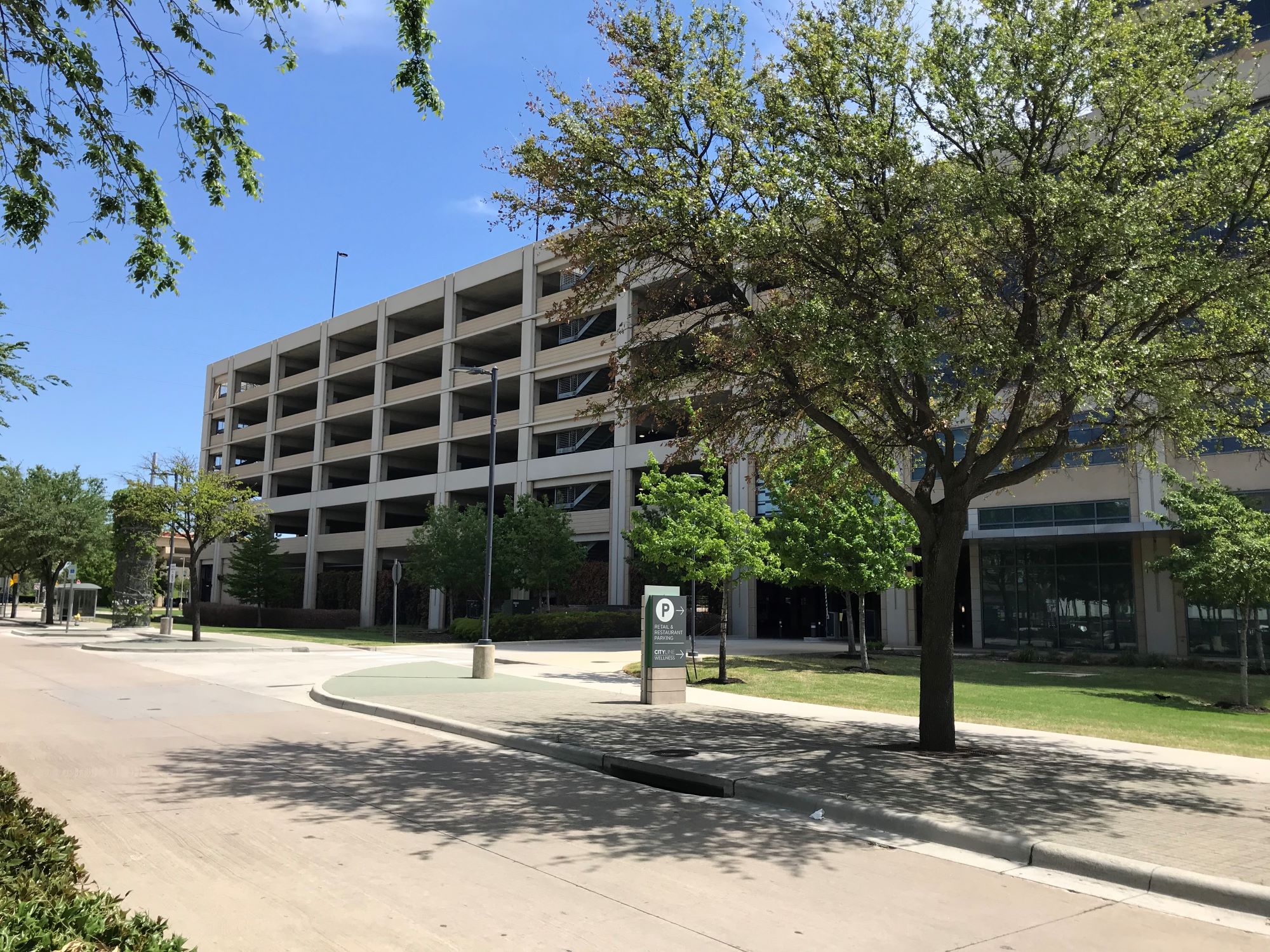
Unbundling parking separates the cost of a parking space from the cost to lease housing or commercial space. Typically, property owners include parking costs with the lease, not as a separate charge. If tenants do not need or use all the parking, they still end up paying for service they don’t use. This can financially incentivize more driving. Unbundling parking allows for the cost of parking to be optional and not a requirement of the rental agreement.
The cost of constructing and maintaining parking is high, yet drivers rarely recognize the indirect or hidden costs associated with its provision. Embedding parking expenses into leases conceals the true cost of driving thus creating the false perception of free parking.
Key Benefits
Provides a more affordable option – When parking costs are unbundled from rent, tenants who do not require parking can opt out of those fees, resulting in lower housing expenses.
Encourages multimodal transportation – Tenants presented with a direct cost of parking will be more likely to consider reducing car ownership and using other modes of transportation for daily trips such as transit.
Encourages efficiency – Developers and property owners will be discouraged from building excessive parking in new developments if there is not demonstrated demand for more parking spaces.
Encourages infill and density – Areas with more travel options and reduced parking needs can use the land for more leasable space as market conditions encourage less space for parking and more for buildings.
Implementation Considerations
Unbundling parking from leases typically needs to be authorized by a municipality in their development code as a first step. In some cases, such as the downtown area, this may already be in effect through allowed paid parking or zero minimum parking requirements. However, intentional unbundled parking from existing cases is typically a requirement specifically stating how owners must offer parking leased separately from building space. Zoning codes in use today often mandate required parking is provided for free. Cities could at a minimum, remove the language requiring parking be provided for free to tenants. A step further would be to incentivize it rather than require unbundling.
Private owners and developers may also implement forms of unbundled parking if not prohibited by code such as providing only a limited number of free parking spaces and charging separate from the building lease for reserved parking with preferred locations or amenities.
On-street public parking management is key to successful unbundling of private off-street parking. Managed curb parking through practices such as metered parking spaces, permits for on-street, or enforced time limits need to be in place to avoid spillover effects from unbundled parking.
Shared action (either public or private)
- Evaluate location appropriateness before implementing unbundled parking at a new development/zoning district.
- Regularly assess parking demand and pricing effectiveness to determine if there are any needed adjustments to parking prices and supply.
Responsible Party
Action
 Public Sector
- Codifies unbundling allowance/incentives/requirements in the zoning or development code.
- Determines applicable areas and land use conditions for unbundling use.
- Establishes on-street parking management (curb pricing and time limits) to effectively prevent area parking spillover.
- Educate private sector on code changes and the benefits of unbundling.
- Invest in transit, biking and pedestrian infrastructure to reduce parking reliance in coordination with locations where unbundling is to be used.
 Private Sector
- Makes pricing structure of parking lease separate from building space lease clear to tenants.
- Charges tenants for parking, separate from any charges for renting, leasing, or buying building space or units.
- Implement building design supporting multimodal transportation like pedestrian friendly streetscapes, secure bike parking, and orienting to transit if applicable.
Location
Locations with multiple transportation mode options like transit stops and stations nearby or connections to bicycle networks and multi-use trails are where this strategy is best applied. In addition to transit and other mode options, a walkable mixed-use neighborhood is an ideal location supporting many tenant trips that don’t need a car.
Cost
Most likely cities may incur some cost to revise zoning. Developers are likely to save on development costs if constructing fewer parking spaces and building more leasable square feet.
Timing
This strategy applies to new development or significant redevelopment and is often used in the development design and municipal approval process.
Technology
This strategy does not directly use technology for parking management.
Case Studies
San Diego, CA
In March of 2019, San Diego, California began to require the unbundled parking for new multi-family developments in transit-oriented areas – referred to as Transit Priority Areas (TPAs) in their new code. TPAs are defined as a half-mile geographical area from an existing or planned major transit stop. The new code achieves the following:
- Abolishes parking minimums for multi-family residential developments in TPAs;
- Introduces parking maximums of one space per new apartment/condominium;
- Requires developers to unbundle the one space from monthly rent or purchase price; and
- Requires transportation amenities, based on project-ranked vehicle trip reduction
Santa Monica, CA
Santa Monica implemented its unbundled parking policy through a zoning update. The policy mandates that in new residential developments with four or more units, off-street parking must be sold or leased separately from the housing units. This requirement also applies to the residential conversion of non-residential buildings with 10 or more units. Projects consisting entirely of affordable housing are exempt. Additionally, all non-residential developments must unbundle parking from lease or purchase agreements.
Source