
Parking Management/Benefit Districts
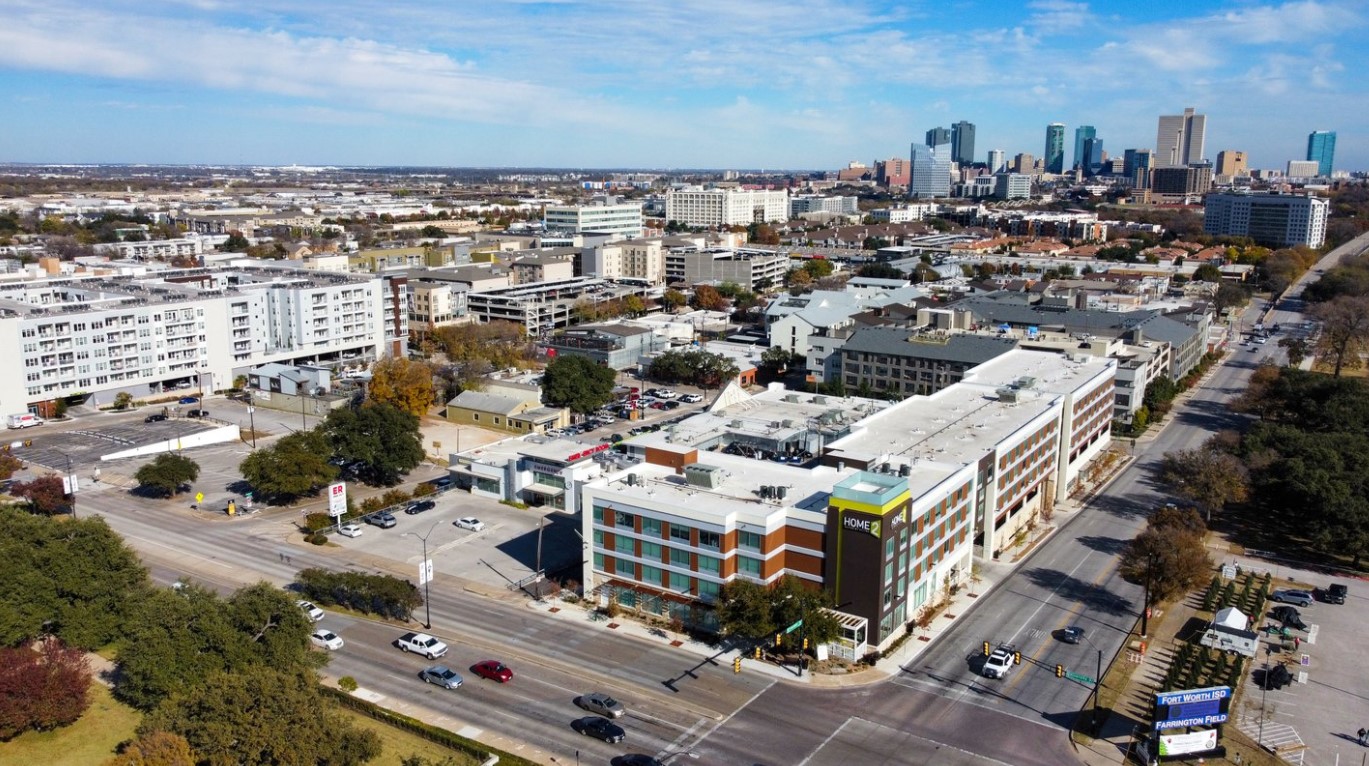
A parking management district (PMD) is typically defined as an area with a pool of public or shared parking spaces that help meet district-level parking demand. A management entity, staff, and technology are usually deployed to achieve this. Often these come in the form of a Parking Benefit District (PBD) where the funds from meters/ paid parking are reinvested into the district’s transportation projects. While districts may have a mix of land uses and owners, use of public or shared parking reduces the need for each property to provide extensive on-site parking. This usually reduces the net number of spaces and makes multimodal transportation easier.
PBDs are increasingly used because they redirect parking revenues toward tangible benefits for the local community. These benefits may include streetscape enhancements, improved pedestrian and bicycle infrastructure, public transit subsidies, or beautification projects. This strategy can build public support for parking meters or pay-to-park public parking lots.
Common parking management/benefit districts goals and strategies:
- Make shared parking spaces as broadly accessible as possible.
- Communicate/ inform/provide wayfinding on parking location, availability, and use regulations, particularly to visitors.
- Provide spaces to meet “overflow” peak parking needs among area land uses.
- Coordinate with new development to determine how it fits into district parking efficiently.
Key Benefits
Save Money and Still have Enough Parking – pooling the parking supply across a district reduces the land/ cost of new parking spaces for each site while efficiently meeting the parking demand of an area.
Maximize Current Parking Supply – The combination of several strategies to optimize existing spaces in a Parking Management District can get the most out of limited supply.
More Mobility Options – managed parking districts allow the managing entity to coordinate parking with walking, biking, transit, and more to help meet area travel demand.
Supports Infill and Preservation – When individual properties don’t have to fit all their parking demand on site, it can allow development that may not have otherwise been possible and allow increased revenue from more density.
Community Reinvestment Funds – If a Parking Benefit District is used with meters this becomes a new source of funding for public improvements.
Better Communication - Opportunity to guide visitors toward available parking through coordinated websites, mobile applications, streamlined wayfinding, and signage.
Implementation Considerations
Parking Management/ Benefit Districts can be publicly or privately administered. Publicly authorized Parking Benefit Districts are increasingly common. A district or neighborhood group, or other private entity typically initiates the request for its creation. When on-street spaces or city supplied public parking are included in the district, the city government needs to coordinate on district set up.
Shared action (either public, private or third-party authority)
- Assesses perceived and existing parking concerns within neighborhoods or special districts.
- Determine parking management area, and parking facilities and/or on-street spaces included and collect parking use data as needed.
- Develop goals and direct the allocation of district funds, including revenue-sharing initiatives where applicable.
- Determine necessary signage, markings, wayfinding, technology, and strategies for effective parking management.
- Engage the public and/or other stakeholders through awareness campaigns.
- Form a PMD/PDB Advisory Committee or management structure.
- Establish PMD/ PBD authority or management entity, district roles, responsibilities, areas of authority, and funding streams.
- Monitor program implementation and effectiveness.
- Collaborate with new developments to facilitate potential shared parking agreements and benefits.
Responsible Party
Action
 Public Sector
- Drafts ordinances to legally establish PMD/PBD.
- Oversees policy development and implementation as necessary.
- Manages or authorizes public improvements need to facilitate the management district.
- Typically controls PBD funds in coordination with management district committee or board.
 Private Sector
- Agrees to allow use of their parking spaces into a district parking program, to both increase the efficiency of these assets and to contribute to the economy.
- Typically serves on advisory boards or other parts of district management structure.
- May independently run a management entity if coordinating only private parking facilities.
Location
Parking Management Districts are often best applied in mixed-use walkable districts. New buildings or existing properties can participate. It can apply to on-street curb parking and off-street parking lots and garages.
Cost
Establishing the district requires time for planning and information gathering, upfront costs for signage, markings, and technology, and staff—full- or part-time—to administer it. Ongoing maintenance of physical and digital elements is needed, and local government may need to fund additional enforcement depending on the district setup.
Timing
This strategy is typically applied to existing development.
Technology
Parking Benefit Districts can leverage technologies to communicate regulations, pricing, and availability to drivers—such as parking guidance systems, dynamic and static signage, parking availability platforms, and mobile applications—while also supporting enforcement and management through smart payment (meter) technology, parking access and revenue control, and automated valet systems. For more information, refer to the Parking Technology Guide.
Case Studies
Boulder, CO
The City of Boulder adopted the Access Management and Parking Strategy Policy in 2017, which aims to enhance transportation and parking while balancing social, environmental, and economic interests across the city and within special districts like downtown. The strategy includes the Neighborhood Parking Management Program, which mitigates parking overflow by issuing permits to downtown residents, visitors, and workers for on-street parking in nearby neighborhoods. Additionally, metered pricing adjustments are designed to increase parking turnover and encourage alternative transportation methods, supported by stricter enforcement of parking fines for repeat offenders. Revenue from parking fees plays a vital role in covering parking-related improvements.
Source
Houston, TX
In 2022, the City of Houston established the Midtown Parking Benefit District (PBD) to address the rising demand for on-street parking and traffic congestion driven by the area's vibrant club, bar, and restaurant scene. Metered parking hours were extended to include 6:00 PM to midnight on Midtown’s busiest streets, aiming to reduce excess traffic and encourage carpooling and alternative transportation modes. The district also introduced a Community Parking Program, allowing residents to purchase annual permits for parking on metered residential streets. To manage the district’s funds and select improvement projects, the City of Houston partnered with the Midtown Municipal Management District (similar to a Public Improvement District) to create the Midtown PBD Advisory Committee. The Midtown PBD utilizes revenue from resident permits and 60 percent of evening meter fees to fund initiatives that enhance quality of life, improve walkability, and support alternative transportation options in the district.
Source
Fort Worth, TX
Sundance Square is a privately-owned and managed district in Downtown Fort Worth that operates a system of parking facilities, whose infrastructure improvements have been funded in large part by the Downtown Tax Increment Financing (TIF) district and coordinated through the Public Improvement District (PID) for downtown Fort Worth. The TIF and the PID are both administered by Downtown Fort Worth Inc. (DFWI) which coordinates with Sundance Square on parking district transportation. DFWI also provides a website with consolidated parking information. Sundance Square acts as a park-once district, offering coordinated valet throughout the area, comprehensive branding, and consistent signage. Information on parking rates (hourly, daily, and monthly), lot/garage location, and nearby amenities are available on the City’s parking website, fortworthparking.com
Source
Source